
 Available in GB
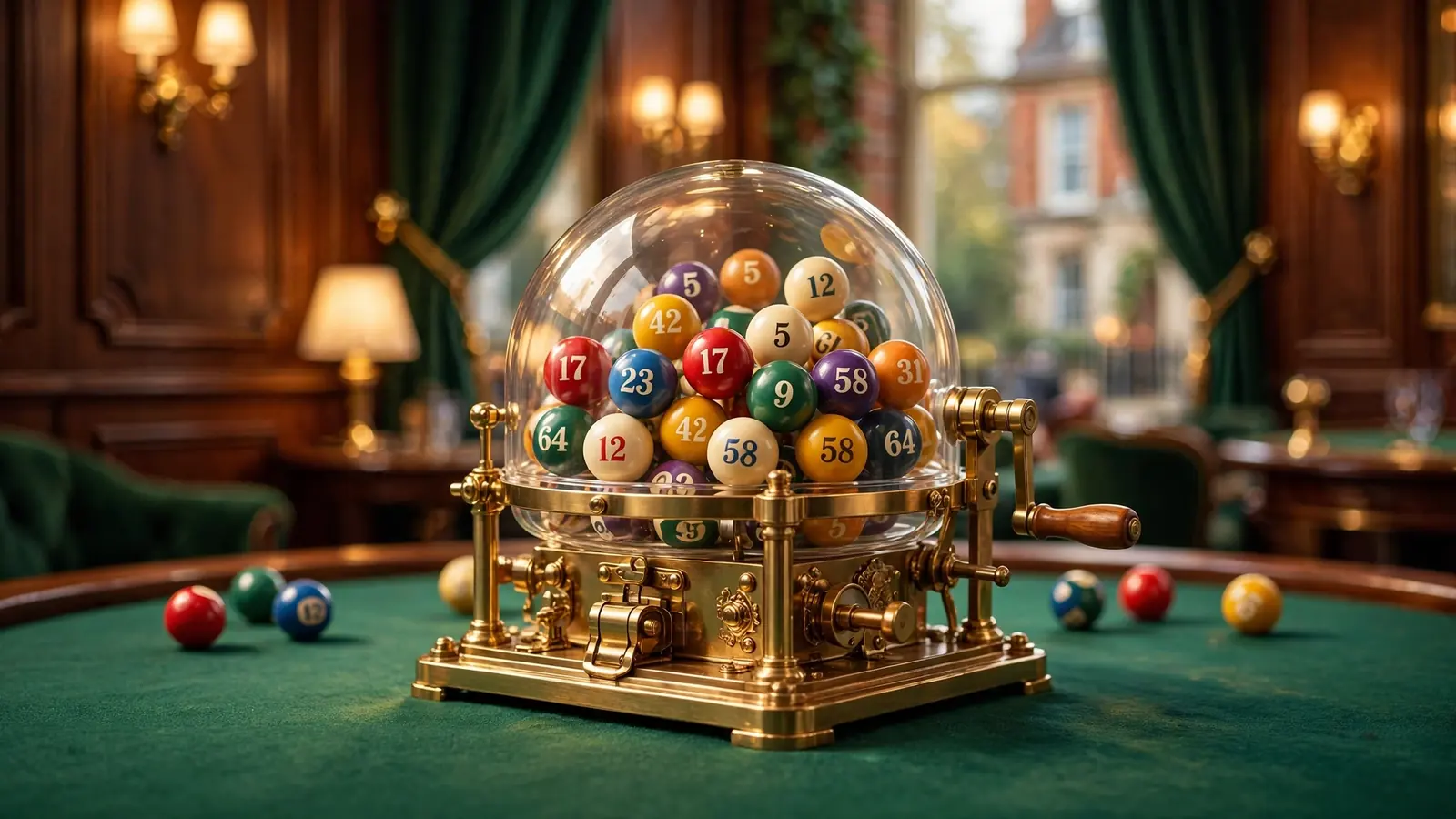
Keno rules vary by version: this guide explains how selections, match counts and paytables shape comparisons of sites and offers.
Keno is a draw-based casino game in which a player selects numbers and waits for a set of numbers to be drawn. The central comparison is between the selection and the draw: the game records how many chosen numbers appear among the drawn results, and that match count helps determine the payout. The exact rules, including the available selections and payout table, depend on the version being offered.
The number of selections is often described as the number of “spots” played. Choosing a different set of numbers changes which outcomes count as matches; choosing more or fewer spots also changes the range of possible match counts. It does not, by itself, establish what a particular match will pay. That depends on the game’s payout schedule as well as the stake.
A keno payout is linked to two elements: the amount staked and the number of selected numbers that appear in the draw. The game’s paytable sets out how those elements correspond to an award. It may distinguish between different match counts, so the same stake can produce different payouts when the draw produces a different number of matches. A result with no payable match may return no prize, depending on the game’s stated rules.
This relationship is why selecting numbers is not the same as choosing a guaranteed return. A selection determines which drawn numbers can count as matches, while the paytable determines the consequence of each match outcome. Without the specific rules and paytable for a particular keno game, no exact payout can be inferred from the number of spots or the stake alone.
The same distinction applies when comparing keno casino games. Two versions can both use numbered selections and a draw while assigning different payouts to the same match count. The familiar game label therefore does not establish that their payment structures are identical. The relevant details are the game’s own rules, the stake used for the round and the result shown after the draw.
Changing selected numbers changes the set of outcomes that qualify as matches. Selecting a different combination gives the game a different set against which to compare the draw. It does not make those numbers more likely to appear merely because they were chosen, nor does a previous result make a number “due” in a later draw.
Fast Payout Online Casinos in the UK: What to Check
Keno draws are independent: each draw is not influenced by the results that came before it. A run of repeated appearances, or a period in which a chosen number has not appeared, does not alter the next draw’s result. Looking at past draws can describe what happened, but it cannot establish what will happen next. This matters when judging number-selection strategies: a pattern in earlier results is not evidence that the same pattern will continue.
The number of spots can also affect the game’s risk and payout profile, but the direction and scale of that effect cannot be read from the selection alone. A larger selection changes the possible match counts; whether particular match counts are more or less rewarding is a question for the paytable. Claims about a “best” number of spots therefore need to specify the particular game and the outcome being assessed, rather than treating one selection as universally preferable.
A specialist review reports an online keno house-edge range of approximately 5% to 25%, with the figure depending on both the number of spots selected and the casino. This is a reported range, not a fixed property of every keno game or a prediction of an individual result. It should not be applied to a specific game without its rules and payout schedule. Nor does a house-edge figure indicate how many numbers will match in a particular draw.
For online keno, the same basic relationship between selection, draw and payout remains central, but implementations can differ. Some games may present the rules and paytable in different ways; the material point is to identify how a version defines a match and what it pays for that outcome. The label “keno” alone does not supply those details.
Understanding the mechanics therefore means keeping separate three things: the numbers selected, the independently generated draw, and the payout assigned to the resulting match count. Together, these determine the outcome of a round. None allows past draws to predict future ones, and the potential return cannot be assessed from a stake or selection in isolation.
House Edge Range
A specialist review reports an online keno house-edge range of approximately 5% to 25%, depending on the casino and the number of spots selected.
Online keno is subject to gambling regulation when it is offered by a licensed operator in Great Britain. The relevant authority for commercial gambling there is the UK Gambling Commission, which also regulates online casinos. Its remit for remote gambling depends on the market being served, not on where an operator keeps the equipment used to run its service. A company located outside Great Britain does not escape the rules if it offers remote gambling to consumers in Great Britain.
This distinction matters when assessing a casino that advertises keno to people in Britain. A site may describe itself as regulated in another jurisdiction, but that claim does not establish that it is authorised to serve the British market. Under the applicable framework, a casino operating legally in Great Britain must hold the appropriate remote gambling licence or operate through a white-label arrangement with a business that holds one. A foreign licence on its own is not a substitute for the required UKGC authority.
The Commission issues operating licences to businesses and personal licences to individuals who perform relevant roles in the gambling sector. For a player assessing an online casino, the central question is whether the business responsible for the service has the appropriate operating permission. A site’s branding, promotional language or statement that it is “licensed” does not answer that question unless the licence can be connected to the company and service actually being offered.
Fast Casino Payouts in the UK: What the Evidence Shows
A white-label arrangement can make the relationship between a casino’s public-facing brand and its licence holder less direct. The name displayed on a website may not be the name of the business holding the operating licence. That difference does not by itself show that the arrangement is unlawful; it means that the responsible licensed business needs to be identifiable and the arrangement needs to be consistent with the required authorisation.
Checking only the brand name may therefore be insufficient. The licence information should be examined to establish which business is responsible for the gambling service and whether the relevant permission covers remote gambling. Where a site provides a licence number, it should be checked against the UK Gambling Commission’s public register before funds are deposited. The register is more useful for this purpose than a logo or an unelaborated claim on a casino page, because the claim can be compared with the regulator’s record.
This check is not a guarantee about every aspect of a casino’s service. It is a way to establish whether the operator appears within the British regulatory framework. A licence claim that cannot be matched to the relevant business or service leaves a material uncertainty about who is accountable for the gambling activity.
Remote gambling can be provided across borders, so the physical location of servers or other key equipment is not the deciding test for whether British regulation applies. The Commission oversees remote gambling offered to consumers in Great Britain even when the equipment supporting it is located elsewhere. An operator cannot rely solely on its overseas location to avoid the licensing requirement.
Licensing Risk
A site offering keno to British customers without the applicable UKGC authorisation is operating illegally in this market, regardless of any claims of being regulated abroad.
Likewise, regulation by another jurisdiction does not make an unlicensed site lawful for British players. A site offering keno to British customers without the applicable UKGC authorisation is operating illegally in this market, regardless of a claim that it is regulated abroad. The relevant distinction is not simply between regulated and unregulated businesses in general; it is whether the operator holds the permission required for the market it serves.
The Gambling Commission is the regulator responsible for commercial gambling in Great Britain. This makes its licence status a key point in evaluating casinos offering keno, rather than one consideration to weigh equally with a foreign authorisation. The broader UK description requires care: the Commission regulates gambling activity across the United Kingdom, including online casinos, while the principal licensing statements for remote operators and commercial gambling in this context concern Great Britain.
A sound status check begins by identifying the company operating the gambling service, rather than relying on the casino’s public name alone. The licence details should then be compared with the Commission’s register, including whether the licence holder and the remote activity are relevant to the service in question. If the casino operates under a white-label arrangement, the relationship to the licence-holding business should be clear enough to establish who carries regulatory responsibility.
Where the operator’s identity or licence cannot be established, that is not evidence of authorisation. Nor does a foreign regulator’s approval resolve the question of permission to serve consumers in Great Britain. These checks provide a narrower but important basis for evaluating keno casinos: whether the business behind the offer is operating within the legal framework that applies to the British market.
French Roulette Online Casinos in the UK: Rules
A claim that a casino is a strong choice for British keno play in 2026 needs to be assessed at the level of the operator, not just the game or brand name. A site may present itself under a trading name while a different business holds the operating licence. The relevant check is whether the business responsible for serving customers in Great Britain has the required Gambling Commission licence, and whether the brand or domain can be connected to that licensed operator.
This distinction matters when a casino promotes keno alongside other products. The presence of a keno game, a professional-looking website or statements about regulation does not establish that the operator is authorised to serve British customers. Remote operators serving consumers in Great Britain are required to hold the relevant Gambling Commission licence. A 2026 assessment therefore depends on evidence of the operator’s licensing status, not on promotional descriptions of the casino.
A specific example illustrates the limits of brand-based claims. A specialist review reports that the Gambling Commission register dated 26 September 2026 does not identify a LuckyPays entry under that brand or its stated domain, luckypays.io. This is a dated finding about the register, rather than proof of every aspect of the business or its legal position in other jurisdictions. It also does not establish that a similarly named business, if one exists, is the same operator. Brand and domain must be matched carefully before a licensing claim can be treated as substantiated.
The date attached to a register check is material. A statement made about a particular date should not be read as a permanent description of a brand’s status. Operator arrangements and public records can change, so a claim about a casino in 2026 requires a check that is current to the time of assessment. Where a brand is absent under the name or domain cited, that absence should not be converted into an assertion about another company without evidence linking the two.
A useful assessment separates three questions. First, which legal business operates the site? Second, does that business hold the relevant Gambling Commission licence for remote gambling offered to Great Britain consumers? Third, does the licensing information correspond to the brand and domain being assessed? These are related but not interchangeable points: a reference to a licence somewhere on a site does not by itself demonstrate that the licence covers the operator behind that particular service.
Terms such as “best” do not answer any of these questions. Nor does a focus on bitcoin alter the central licensing test: the relevant issue remains whether the remote operator serving Great Britain holds the required licence. A payment-related label is not evidence of regulatory status, and it cannot substitute for a verifiable link between the casino’s public identity and its licensed operator.
Accordingly, a claim that a named keno casino is suitable for British players in 2026 is supportable only to the extent that its operator and licence can be matched through current, identifiable records. A dated register finding can inform that assessment, but it should be reported with its date and scope intact. It cannot establish a general ranking of keno casinos or confirm the status of unrelated brands.
A useful comparison of keno casinos depends on more than a brand name or a claim to offer the game. Each entry needs to refer to an identifiable service, and the comparison needs to use criteria that apply consistently across the services being considered. Otherwise, a ranking can suggest differences in quality or suitability that the available information does not demonstrate.
Live Baccarat Online Casinos in the UK: Licensing
The first distinction is between a casino brand and the business arrangement behind it. In Great Britain, a casino operating legally may hold its own remote licence or operate through a white-label arrangement with an existing licence holder. A comparison should therefore avoid treating every brand as an independent operator. The name displayed to customers may not, by itself, explain which licensed business is responsible for the service.
The same care applies to claims about an online casino with keno. The presence of a casino label does not establish that keno is part of its offering, and a general reference to keno does not establish which version or format is available. A credible comparison would identify the product being assessed and make clear whether its descriptions concern a particular website, an app, or both. Those distinctions matter because a site-level claim should not automatically be read as a claim about every channel associated with a brand.
A keno app also needs to be assessed as an actual product, not inferred from a casino’s name or marketing language. Where an app is discussed, the relevant comparison concerns the app itself and the service to which it connects. The same principle applies to references to multiple apps: plural wording does not demonstrate that separate, verified products exist. Without clearly identified products, an app ranking would create a false impression of direct comparison.
Claims about return to player require similar precision. The term can refer to a stated game characteristic, but it is not meaningful as a comparison unless the specific keno game and the basis of the figure are identified. A casino-level label alone cannot establish a game’s RTP. Nor should a figure associated with one product be transferred to another merely because both are offered under the same brand.
Attention: A casino-level label cannot establish a specific game’s RTP, and figures associated with one product should not be transferred to another under the same brand.
Payment terminology also needs to be kept distinct from evidence about a casino’s keno product. A reference to a bitcoin or crypto casino may describe a payment-related claim, but it does not establish that the service offers keno or identify the operator behind it. Such labels cannot substitute for confirmation of the service and product being compared.
A defensible table would state its inclusion criteria, identify each service and keno product, and compare like with like. If those elements cannot be established, a numbered “best” list is not a neutral summary: it implies that the listed options have been assessed on a common basis. A more accurate account separates confirmed details from promotional descriptions and avoids ordering services whose comparability has not been demonstrated. This approach makes the limits of a comparison visible without converting uncertainty into a recommendation.
An online keno session follows a straightforward sequence: open a keno game, decide which numbers to select, set the stake, and submit the selection for a draw. The exact layout varies between games, so the controls and labels on screen should be treated as part of that particular game rather than as features shared by every keno product.
The number-selection screen is where play begins. Numbers are chosen from the options displayed by the game; the selection is then checked before the round is submitted. This pause matters because the chosen numbers and stake determine the basis of any payout. If the screen does not make the current selection or stake clear, the round need not be started until both can be confirmed.
After submission, the game produces a draw. The result is assessed by comparing the drawn numbers with those selected for that round. A payout, if one applies, depends on the stake and on how many of the selected numbers appear in the draw. The amount wagered alone therefore does not establish the return: the result also matters.
The sequence can be summarised without assuming that every game uses identical controls:
These are functional stages, not a guarantee that every interface uses the same buttons or presents them in the same order. The game’s own instructions determine how a selection is confirmed and how the result is shown.
A completed draw should be evaluated as a single round. The relevant comparison is between the numbers selected and those appearing in that draw; any payout is tied to that match and the stake. A previous outcome does not alter the next draw. A sequence of earlier results therefore cannot establish what will be drawn in a later round.
That distinction is useful when moving through repeated rounds. Each new selection and stake should be considered on its own, rather than treated as a continuation in which past results change the next outcome. The screen may display earlier results, but their presence does not make them predictive.
Playing Keno Online
Open the keno game, review the selection screen, and mark the intended numbers.
Set the stake and confirm that the displayed selection is correct before submitting.
Submit the round, wait for the draw result, and check it against the selection and payout information.
For someone learning how to play keno online, the practical task is to understand the game’s selection and confirmation controls before submitting a round, then read the result against the selection and stake used. This explains the basic flow without assuming that different games share extra features, such as a particular round speed, repeat-play control or presentation style. Those details depend on the individual product.
A session can end after a result is reviewed; continuing means starting another round through the game’s controls. Each submitted round has its own selection, stake and draw outcome. Keeping those elements distinct makes the process easier to follow and prevents a result from being confused with the next round.
Free-play keno can provide a way to become familiar with a game’s interface without staking money, where a casino offers that mode. It should not be treated as evidence of what the same game would return under real-money play.
RTP, or return to player, describes a theoretical proportion of stakes returned over extended play. It is not a forecast of the result of an individual session. Keno’s payouts also depend on the stake and on how many selected numbers appear in a draw. A displayed return figure, if available for a particular game, would therefore need to be read in the context of that game’s rules and payout table rather than treated as a universal value for keno.
A specialist review gives an online keno house-edge range of approximately 5% to 25%, with the figure varying according to the number of spots selected and the casino. This is an attributed estimate, not an established market-wide average. It does not identify the RTP of a specific slot or software product, nor does it show that every game falls within the range. House edge and RTP are related concepts, but a broad estimate cannot replace game-specific published information.
Low-Volatility Slots UK: What Volatility Means
The term “keno slot” can refer to a keno-style game presented through casino software rather than a traditional slot with reels. The label alone does not establish the game’s rules, payout structure or return. Similarly, free keno slots online may refer to games played in a browser or to free-play versions accessed through casino software; the wording does not confirm that a particular title or access method exists. No download requirement, game catalogue or software provider can be inferred from the label.
Free play can still help clarify practical details such as where selections are made and how results are displayed, if those functions are available. It cannot establish whether a strategy will improve outcomes. Choosing numbers according to a pattern, or changing them after a losing result, does not make future independent draws more predictable. Strategy can describe how selections or stakes are organised, but it should not be presented as a method for overcoming the game’s payout structure.
Comparisons are meaningful only when they refer to identified games and clearly stated terms. For a specific game, any published RTP should be checked against its own information; a broad house-edge estimate is context, not a substitute.
In real-money keno, a payout is determined by the stake and how many of the selected numbers appear in the draw. The stake therefore matters alongside the result: the draw outcome alone does not establish the amount returned. Nor does the number of selections, by itself, specify a cash value. The relevant payout depends on the game’s rules for the combination of stake and matching numbers.
Payout Factors
In real-money keno, the payout is determined by the combination of the stake and how many of the selected numbers appear in the draw.
This distinction matters when assessing claims about keno casino games played for money. A payout figure cannot be interpreted without knowing the stake and the number of selected numbers that matched. The available relationship does not establish a universal rate or a guaranteed return, and it does not support treating one result as representative of future play. A demo version, where offered, is not evidence of the terms or conditions attached to a real-money game.
The account also sits within a regulated gambling arrangement. Remote operators serving customers in Great Britain must hold the relevant UK Gambling Commission licence. Online gambling is legal in the UK only through licensed and regulated sites; a foreign licence alone does not replace the required UK licence for an operator serving the British market. This requirement applies whether keno is presented as a standalone game or alongside other casino products.
Account conditions affect whether real-money play can begin. Operators must verify a customer’s age before allowing deposits, and online gambling in the UK is legal for people aged eighteen and over when the operator holds a UK Gambling Commission licence. UK-licensed casinos cannot accept credit cards for gambling. These requirements concern access and funding; they do not alter how a keno payout is calculated.
For a cash result to be understood accurately, the stake, the number of selected numbers appearing in the draw, and the applicable game rules must be considered together. A label such as “real money” does not, on its own, establish a payout value or confirm that an operator is authorised to serve customers in Great Britain. The operator’s licensing status and the game’s stated payout conditions are separate matters, both relevant to assessing a real-money offer.
Live Blackjack Casinos in the UK: Licensing
A bonus advertised alongside keno does not, by itself, establish that the offer applies to keno play. The controlling details are the operator’s published terms: these determine who qualifies, which games count, and what must happen before bonus funds or related winnings can be withdrawn. A headline description is therefore not a substitute for the conditions attached to the offer.
Eligibility rules may depend on the account, the promotion and the way it is claimed. The terms may also set wagering requirements, exclude particular games, restrict payment methods or specify when an offer expires. Each condition can affect whether a balance becomes withdrawable. In particular, a game’s presence in a casino does not prove that play on it contributes towards a promotion’s requirements. Keno’s inclusion, if any, needs to be stated in the applicable terms rather than inferred from general casino advertising.
Payment conditions require separate attention. A method used to deposit may not be available for withdrawing funds, and a promotional offer may impose its own payment restrictions. The name of a payment method, including a reference to Bitcoin, does not establish that a casino accepts it, that it can be used for a bonus, or that withdrawals will be processed through it. Those details are determined by the operator’s current rules and the relevant offer conditions.
The same distinction applies to a no-deposit promotion. That label describes a type of offer, not its eligibility, game coverage or withdrawal conditions. Without the terms, it cannot show whether keno qualifies or what restrictions apply to any resulting balance. An advertised benefit should therefore be read together with its full conditions, not treated as cash available for withdrawal.
Attention: A headline bonus description is not a substitute for the full terms and conditions, which determine eligibility, wagering requirements, and withdrawal rules.
Bonus terms also do not establish the odds of a keno game. Odds and promotional eligibility concern different matters: a promotion may affect how a balance can be used or withdrawn, but it does not change the independence of draws or make a particular outcome more likely. Any claim connecting a bonus to improved chances would need evidence about the game itself, not merely promotional wording.
For real-money play in Great Britain, the operator must hold the relevant Gambling Commission licence. That regulatory status is distinct from the terms of a particular bonus: a licence does not certify that an offer is suitable, nor does it replace the need to understand its conditions. The meaningful assessment is therefore specific to the promotion, the eligible games and the withdrawal rules stated for it.
The phrase “live keno” can refer to interest in a real-time presentation, but the label alone does not establish how a particular game is operated or whether a live product is available. A title or promotional description is not evidence of a streamed draw, a human presenter or any particular schedule. Those details require confirmation from the operator’s own product information.
The central point about keno draws remains the same whether a game is presented live or through another format: each draw is independent. A previous result does not influence the next one. A number appearing repeatedly, or not appearing for some time, therefore provides no basis for treating it as more or less likely in a future draw.
This matters when evaluating claims about live play. A visible sequence of results may make patterns seem meaningful, but the history of completed draws does not determine what follows. Nor does a live presentation change the independence of the draws. The format and the probability relationship are separate questions.
Descriptions of online live keno should consequently be read with care. Evidence that a product is labelled “live” does not, by itself, verify its mechanics or establish that past outcomes can predict future ones. Claims about prediction based on previous results conflict with the independence of keno draws.
Bonus-buy slots in the UK: features and play
For a reader assessing a live-keno offering, the useful distinction is between what the operator documents about presentation and what follows from the draw structure. The former is product-specific; the latter is that previous results do not affect future draws. No live label can make earlier outcomes a reliable guide to the next result.
The phrase “keno slot machine” can describe a keno game presented in a machine-style interface, but the label alone does not establish how its prizes are calculated. For keno, the relevant payout factors are the stake and how many of the selected numbers appear in the draw. A machine’s appearance does not, by itself, indicate a particular payout rate or house edge.
A specialist casino review reports an online keno house-edge range of 5% to 25%, with the figure varying according to the number of spots selected and the casino. This is a reported range, not a fixed market standard or a guarantee for every keno product. It cannot establish the expected return of a specific machine or game. The payout table and rules for the particular game are needed to assess its terms.
The distinction matters when comparing keno with conventional online slots. A slot’s return figure cannot be assumed to apply to a keno game simply because both are displayed in a casino-style format. Nor does a general house-edge estimate show what a particular stake would return: the outcome depends on the selected numbers that match the draw and the game’s payout terms.
For a keno machine, therefore, the useful comparison is between its stated payout rules and the way those rules connect stake size with matching numbers. Where a game does not make that relationship clear, its presentation alone is not enough to assess payouts. The reported range provides broad context, but not a product-specific measurement.
LuckyPays is not listed in the UK Gambling Commission register under its brand or stated domain, including luckypays.io.
Search the UK Gambling Commission register for the business operating the casino, checking its brand or stated domain. A foreign licence alone does not authorise an operator to serve consumers in Great Britain.
An operator serving consumers in Great Britain must hold the relevant UK Gambling Commission remote gambling licence or operate through a white-label arrangement with a licence holder.
Written by the editors at goldwincasin.